
We tend to romanticize the golden age of air travel with its silver service trollies and mid-mod styling. However, those glory days are long gone, and air travel today is both rewarding and inconvenient at best. As a partner of someone who travels in a wheelchair, it is abundantly clear that the lack of accessibility, dignity, and, frankly, safety that necessitated the existence of the first Airline Passenger Rights Act still exists today.
Combined with travel’s impact on the environment, rising costs, security line nightmares, flight delays, cancellations, and tight seating, is it any wonder that travelers are increasingly looking for options? And in that area, there is good news. Here are three alternative long-distance flights that you can take until there one of the more enjoyable parts of the experience.
MAKE MEMORIES: America’s best family vacation spots, vetted by real travelers and families: The 2026 FamilyVacationist Guide
Take the RV
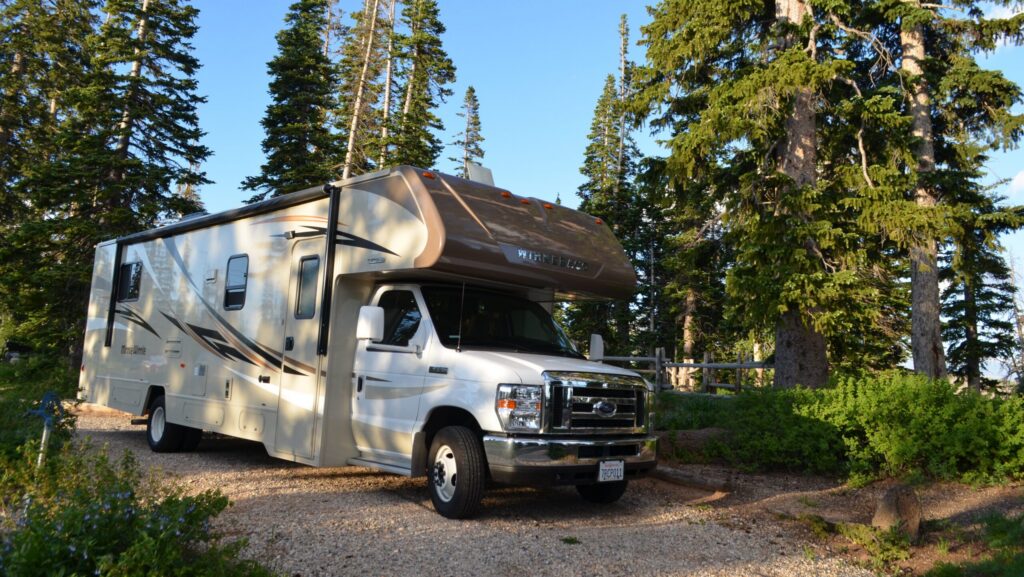
The road trip is perhaps the quintessential American family vacation. All you need to do is load the family truck and you’re in charge of when and where you go. If you’re looking to upgrade your road trip, it might be time to consider a recreational vehicle (RV). This mobile home allows you to bring a lot of comfort, including creatures (i.e., your pets). If you don’t have your own RV, there are many ways to rent one, including through Cruise America, RV Trader, or your local dealer.
READ MORE: Provide van life in an accessible RV at Winnebago Roam
“RV travel is turning the family vacation economy on its head,” said Juliana Baena, Director of OEM Strategic Partnerships at Trader Interactive (the company behind RV Trader). “Instead of multiplying the cost per person on a plane, in an RV you divide the cost of transportation, meals and accommodations.”
My family has taken several RV trips to state and national parks, including the epic Grand Circle tour of Southern Utah and Northern Arizona that included Zion National Park, Cedar Breaks National Monument, Bryce Canyon National Park, and the North Rim of Grand Canyon National Park. Overall, we were very happy with the comfort. We stocked the kitchen, made most of our meals camping style, and created core family memories of trying s’mores made with pop tarts (s’mop tarts, if you will). By my calculations, we saved at least 30 percent of what we would have paid if we rented a car, stayed in a hotel, and ate at a restaurant.
“RVing is an investment in travel,” adds Baena. “You trade the stress of boarding passes, long airport lines, and hotel check-in times for a kitchen that’s always full, a backyard that changes every night, and the rare freedom to turn a detour into the best part of the trip, without leaving the comfort of home.”
Traveling by train

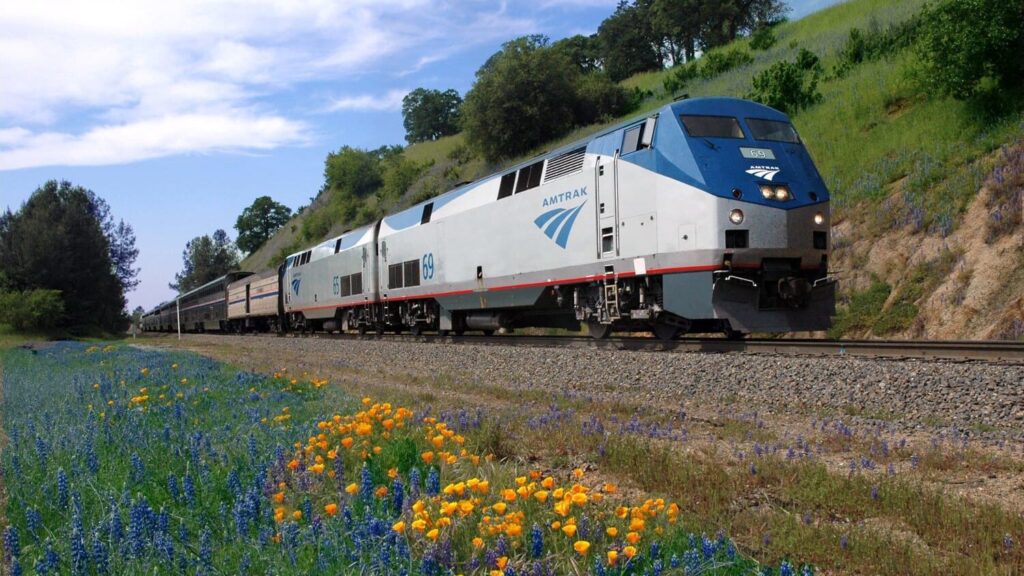
Want all the panoramic views without the stress of driving? How about jumping the rails? Amtrak has train routes that cross the US, and VIA Rail carries passengers across Canada. In between there are other railroads that pass through national parks and deep into Alaska’s interior. Some of the advantages of train travel include the ability to move around during the journey, dining cars for food and drink, sleeping cabins for longer journeys, and glass dome cars for enjoying beautiful views. If all that isn’t enough reason, trains offer lower carbon emissions than driving or flying.
ALL OF THE ABOVE: The best family train travel in the US, Canada, Europe and Asia
“Train travel isn’t just about rushing from point A to point B, but about rediscovering the joy of travel itself,” said Amtrak Senior Public Relations Manager Olivia Irwin. “From private rooms and on-board dining to views of America’s most iconic landscapes, our long-distance trains connect travelers not only to destinations, but to the landscapes in between.”
On my family’s trip to the Last Frontier, we used the Alaska Railroad for our transportation. This excursion includes Gold Star service with glass dome ceilings for all seats, an outdoor viewing platform on the upper level, meals in a full-service dining room, and two adult beverages per trip (for passengers 21 and older). On all Alaska Railroad trips, an Alaskan tour guide accompanies each trip to reveal history, point out famous sights, and help spot animals along the way.
Ship
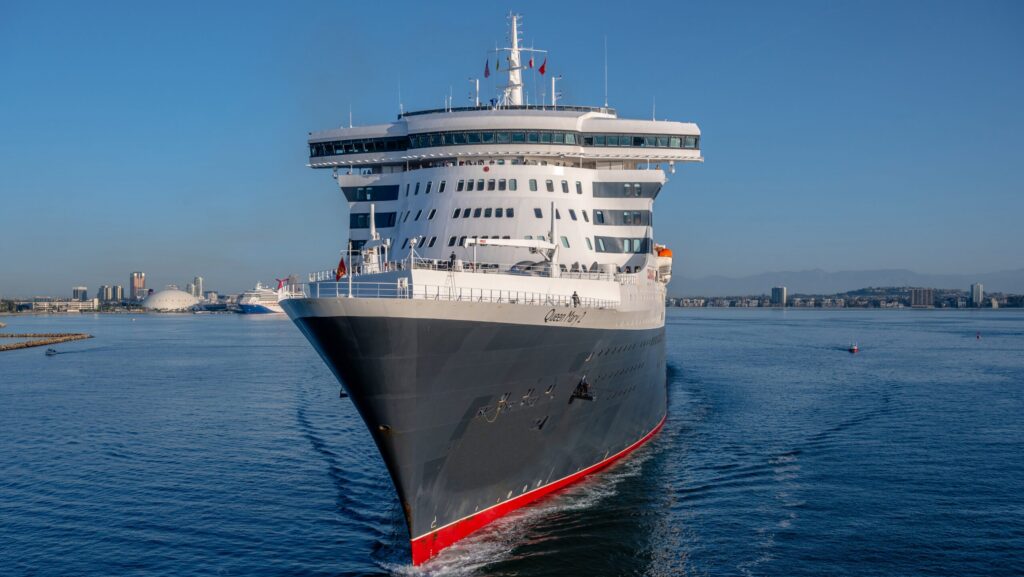
Once the only way to cross the ocean, ships lost popularity as airlines cut travel times from days to hours. But for those who want to enjoy the journey, Cunard’s Queen Mary 2 was the last ocean liner to ever exist. Unlike traditional cruise ships, ocean liners have reinforced hulls and are specially built to withstand the waves and weather of transatlantic crossings. Currently, cruises take about a week, but allow for plenty of relaxation and fun along the way. As your body slowly adjusts to the time change, there is no jet lag once you arrive at your destination.
“The journey, not just the destination, becomes a defining part of the vacation experience when choosing a transatlantic cruise over a long-haul flight,” said Liz Fettes, Senior Vice President, North American Commercial at Cunard. “[With] daily programs carefully curated for each generation, these crossings transform travel into something much more meaningful.”
FUN AT THE SEA: Looking for a more mature cruise? This route is best suited for travelers over 50 years old
The Queen Mary 2 may be the last ocean liner, but many cruise ships have also made the crossing. And it’s not just transatlantic cruises. Many cruise lines offer “cruise ship repositioning,” moving their ships from one region to another of the world, such as: Europe to the Caribbean, East Coast to West via the Panama Canal, or Australia to the West Coast via Hawaii. Sometimes, discounts can be found on cruises undergoing these repositionings due to increased days at sea.
More from FamilyVacationist:
PakarPBN
A Private Blog Network (PBN) is a collection of websites that are controlled by a single individual or organization and used primarily to build backlinks to a “money site” in order to influence its ranking in search engines such as Google. The core idea behind a PBN is based on the importance of backlinks in Google’s ranking algorithm. Since Google views backlinks as signals of authority and trust, some website owners attempt to artificially create these signals through a controlled network of sites.
In a typical PBN setup, the owner acquires expired or aged domains that already have existing authority, backlinks, and history. These domains are rebuilt with new content and hosted separately, often using different IP addresses, hosting providers, themes, and ownership details to make them appear unrelated. Within the content published on these sites, links are strategically placed that point to the main website the owner wants to rank higher. By doing this, the owner attempts to pass link equity (also known as “link juice”) from the PBN sites to the target website.
The purpose of a PBN is to give the impression that the target website is naturally earning links from multiple independent sources. If done effectively, this can temporarily improve keyword rankings, increase organic visibility, and drive more traffic from search results.