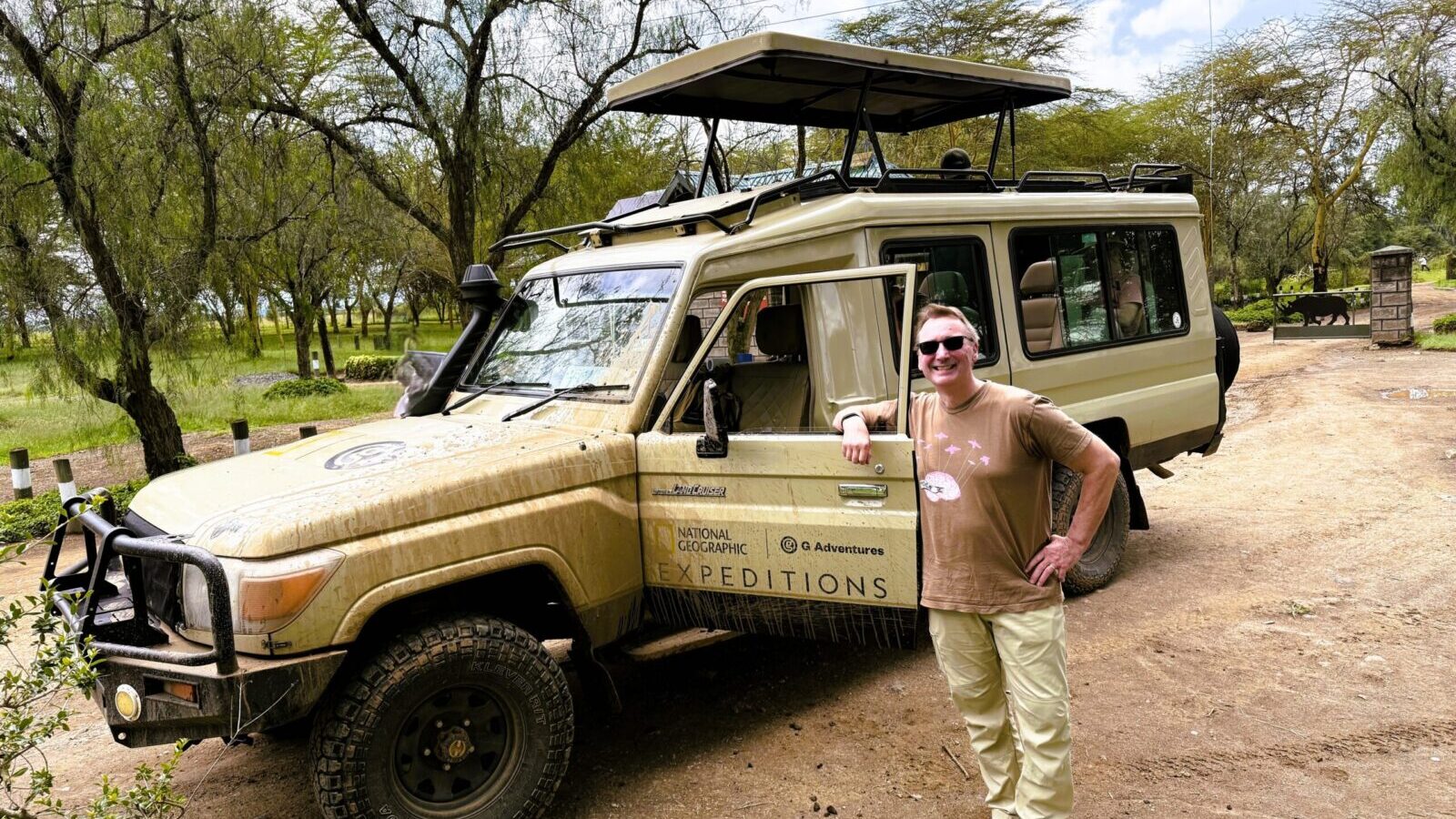
If you asked me what I wanted to be when I grew up, I would say “National Geographic Photographer” without hesitation. My youth was surrounded by piles of dusty yellow-bordered magazines. Every Sunday night as a young adult, when my wife and I watched Explorer, I thought Boyd Matson had the best job in the world. For my PhD, I studied animal behavior and was eager to get out of the laboratory to observe big game species in their natural habitat.
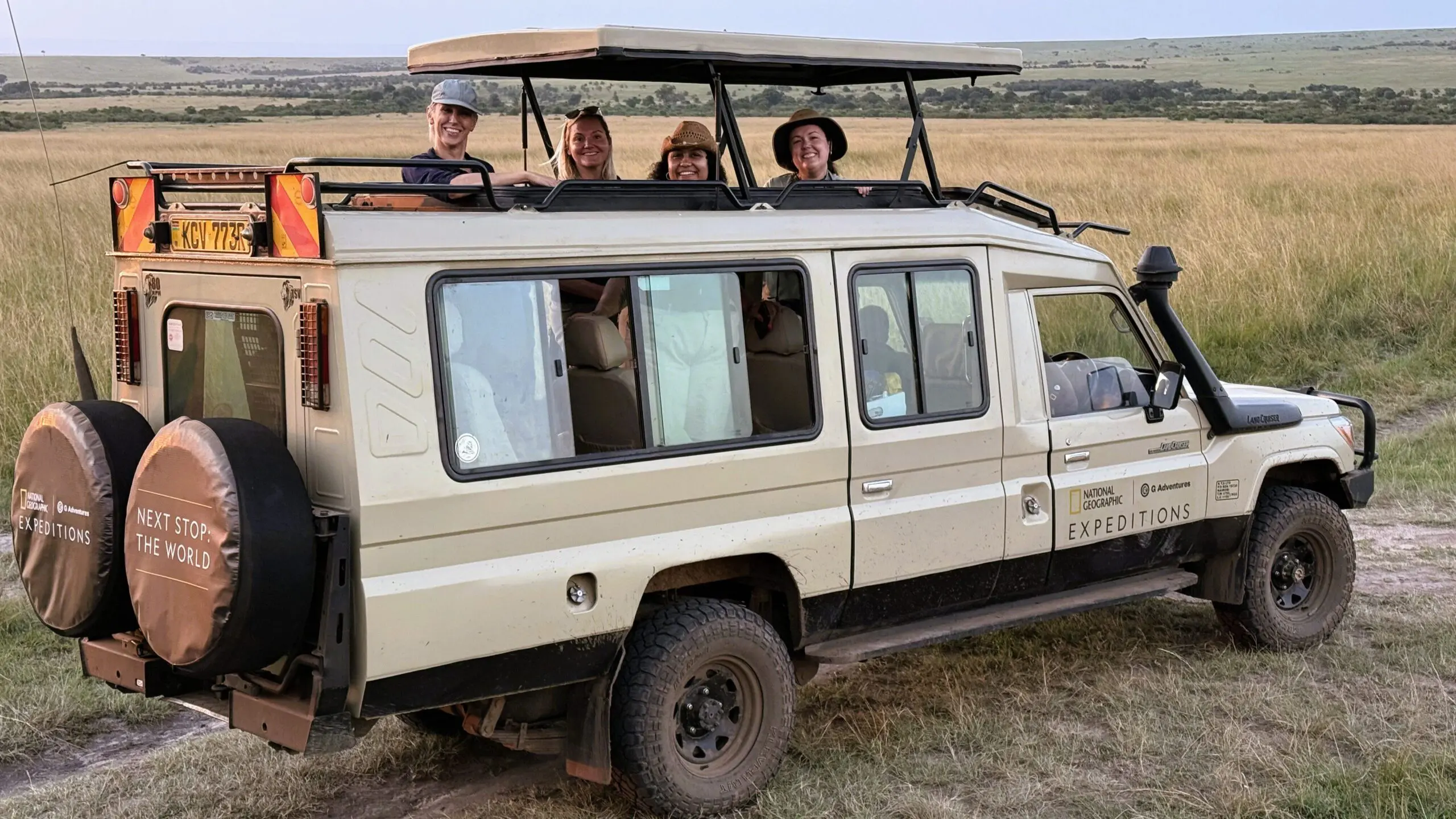
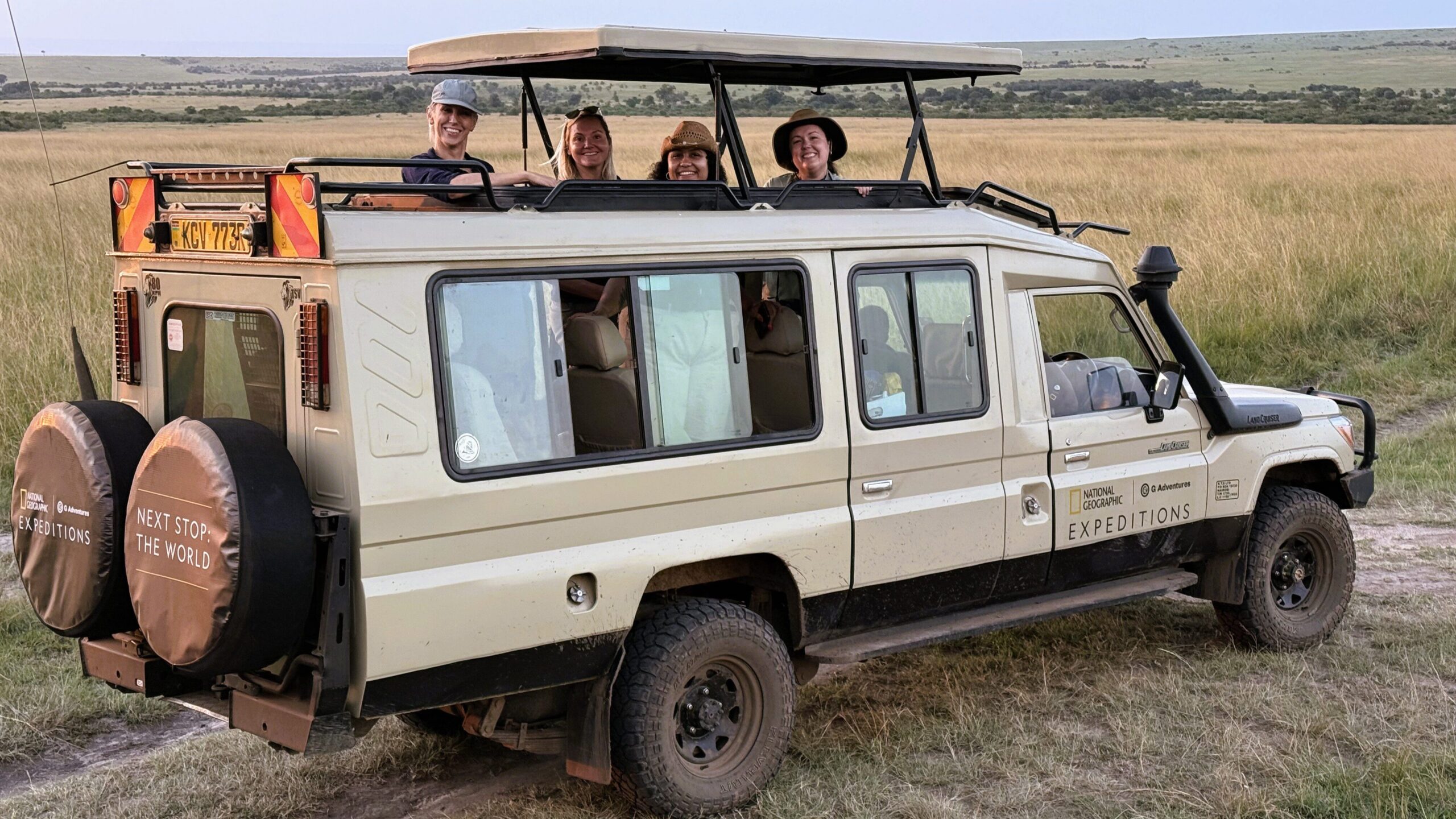
You can probably imagine how happy I was when National Geographic Expeditions invited me to join a National Geographic Journeys trip to experience safari in Kenya. (National Geographic Journeys is a collaboration between National Geographic Expeditions and G Adventures, a small group adventure travel company focused on community tourism and using travel as a force for social good.)
I jumped at the opportunity to visit one of the world’s most iconic wildlife destinations with an organization I admire.
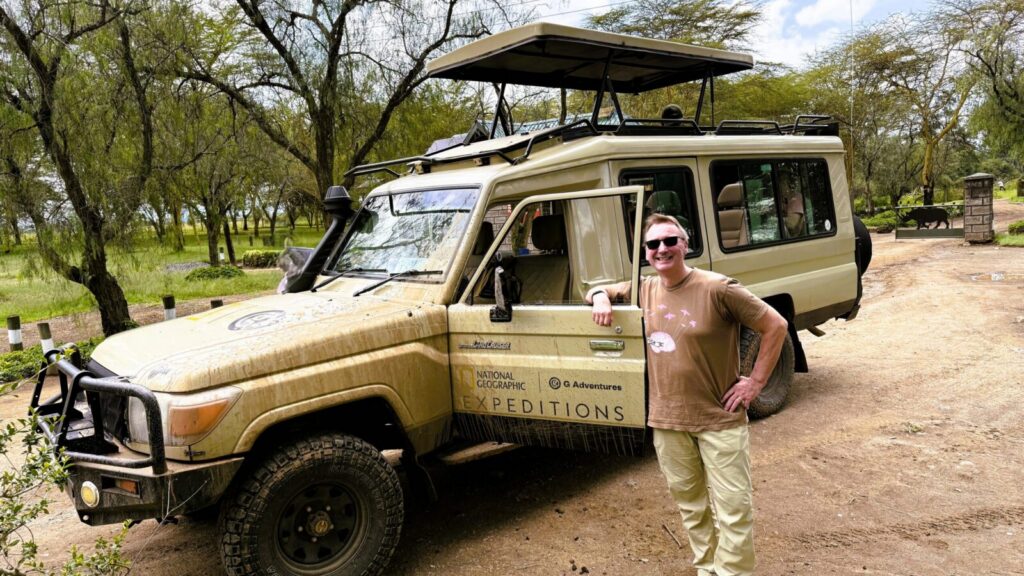
With my camera, zoom lens, and binoculars packed in my bag, I boarded Kenya Airways for a 15-hour nonstop flight from New York City to Nairobi, Kenya. After landing, we met our tour leader, who gave us an overview of the trip, where we would spend the next week visiting national parks and game reserves in search of Africa’s Big Five: lion, elephant, rhino, buffalo and leopard. However, before I get into the details of the safari, let’s talk a little about National Geographic Journeys.
What is National Geographic Travel?
National Geographic Journeys is a type of trip offered by National Geographic Expeditions, a branch of the organization that offers guided tours around the world and supports the work of National Geographic-sponsored explorers and researchers. Of course, National Geographic has a history of more than 130 years with a mission to educate the public and illuminate and protect the wonders of our world.
National Geographic expeditions are one way the organization advances its mission, and there are many different types of expeditions. These include Signature Land adventures, Expedition Cruises, Day Tours, Family Journeys, and Journeys.
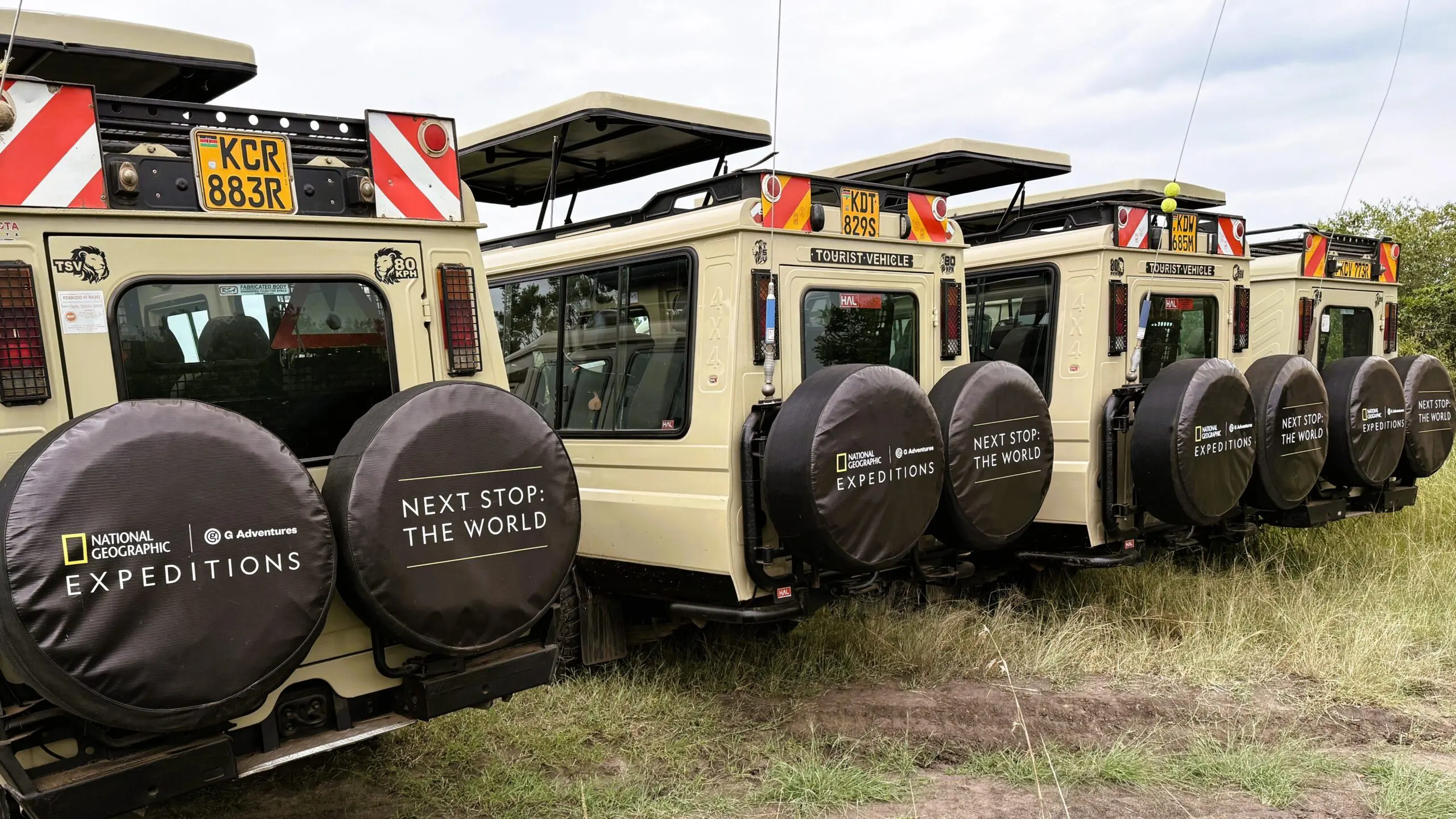
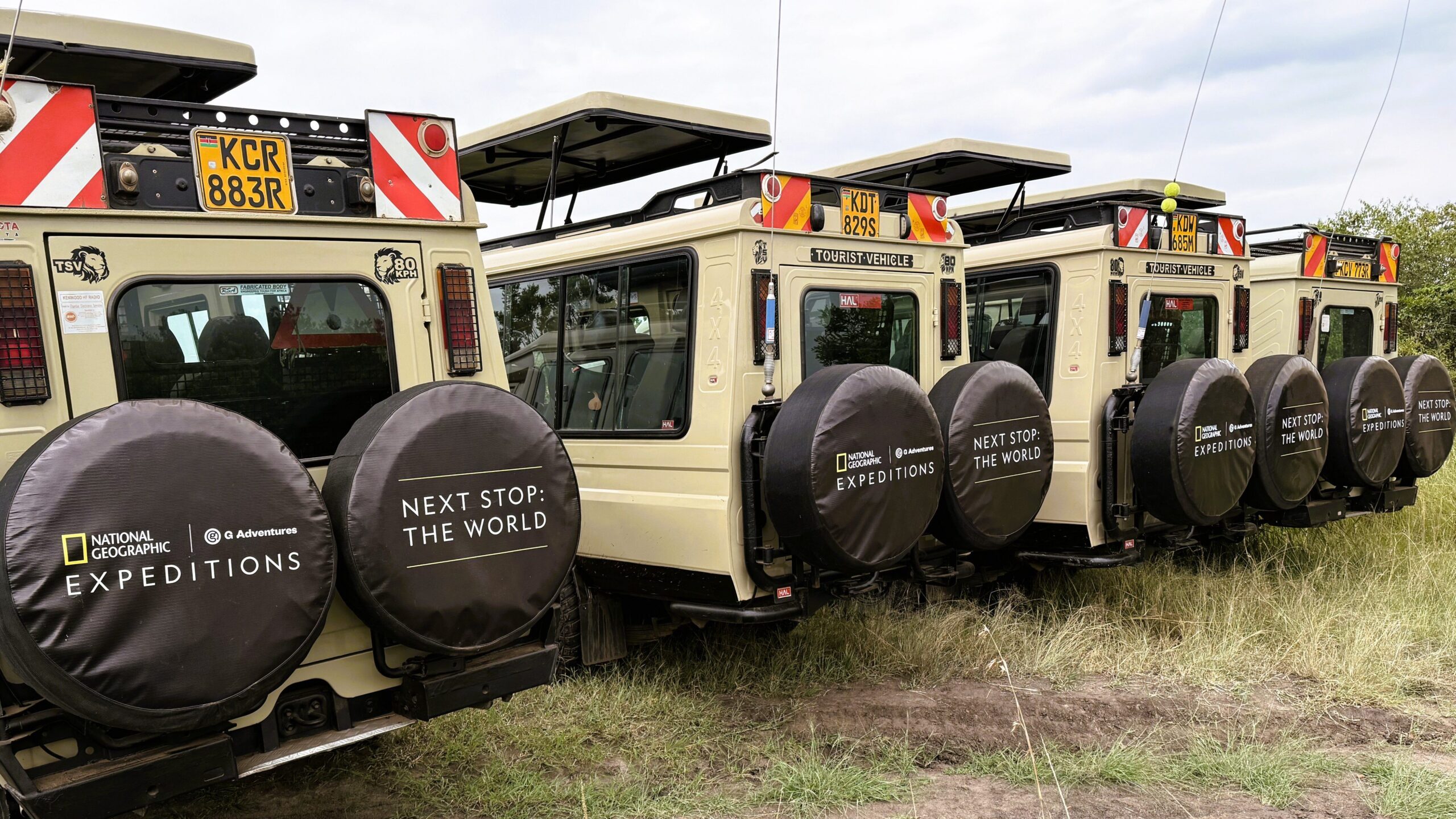
Both National Geographic and G Adventures are committed to similar goals of education, travel and deep learning about culture, so it makes sense that National Geographic Journeys with G Adventures is a collection of small group trips (less than 16 guests) that combine exploration, science, education and storytelling with meaningful community and social impact.
What happens on a Kenyan safari with National Geographic Journeys?
Starting in Nairobi, we met the local tour leader and the rest of our group. Usually the maximum group size is six guests, capacity is one 4×4 safari vehicle. Our guides and drivers are all from Kenya and have extensive experience with the destinations we visit. They taught us some useful Swahili words: Jambo (hi), Asante sana (thank you very much), Karibu (welcome/you’re welcome), and Sawa (okay). Then we loaded the vehicle to head to the first stop on the itinerary, Lake Nakuru National Park.
Lake Nakuru National Park
We spent two nights at Sarova Lion Hill Game Lodge within Lake Nakuru National Park. This UNESCO World Heritage Site is famous for its abundance of birds and waterfowl due to the alkaline lake in the volcanic basin. Lake Nakuru is also home to Kenya’s first rhino sanctuary for the protection and repopulation of black and white rhinos.
During our first game drive safari, we saw a troop of olive baboons, warthogs, a large number of birds, and three adult lionesses nursing five cubs.
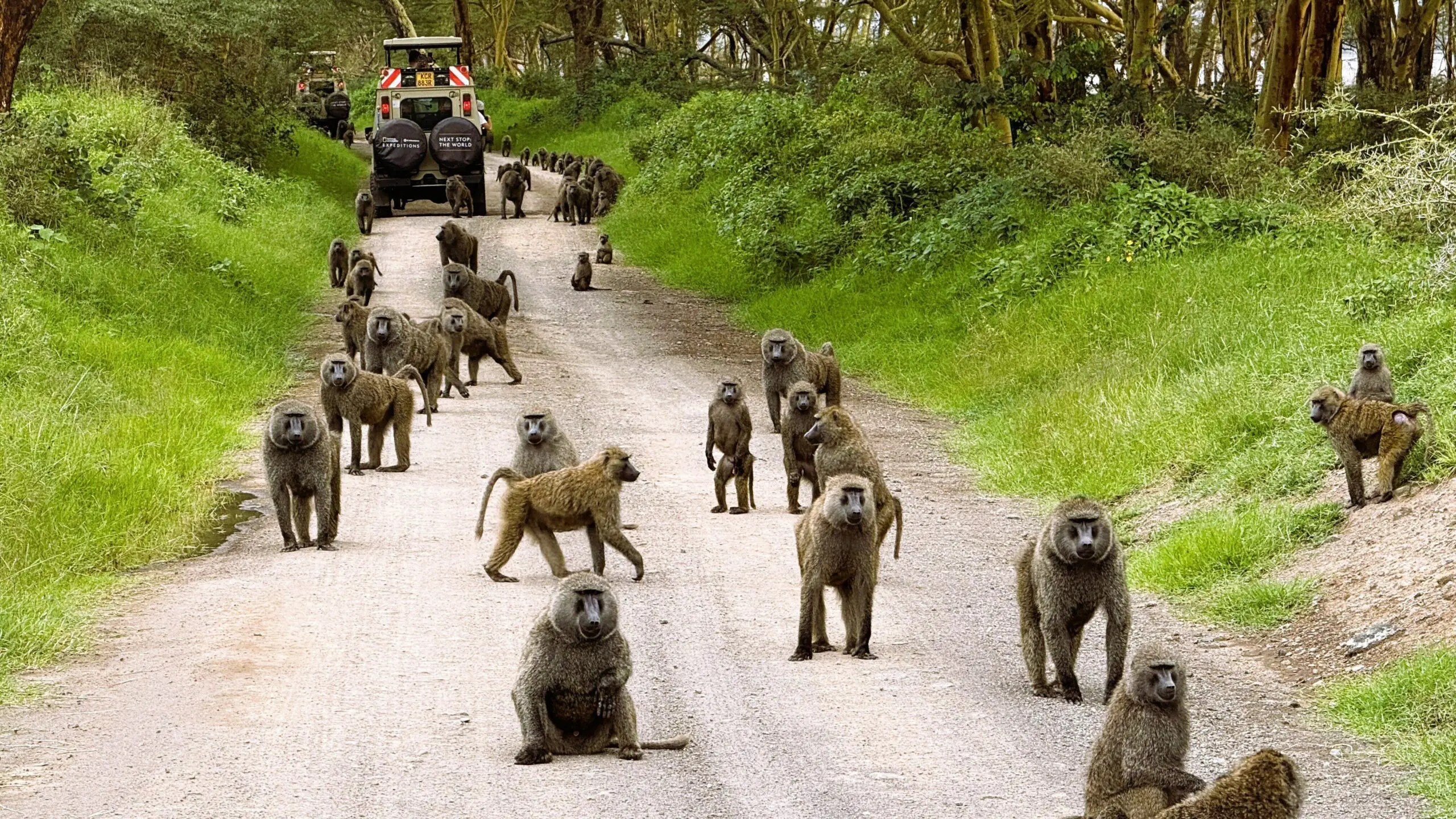
We saw a rhino in the distance and watched two hyenas tug at a zebra carcass. Out of nowhere, a male lion chases away the hyenas and tells them who the prize is (although one escapes on zebra legs).
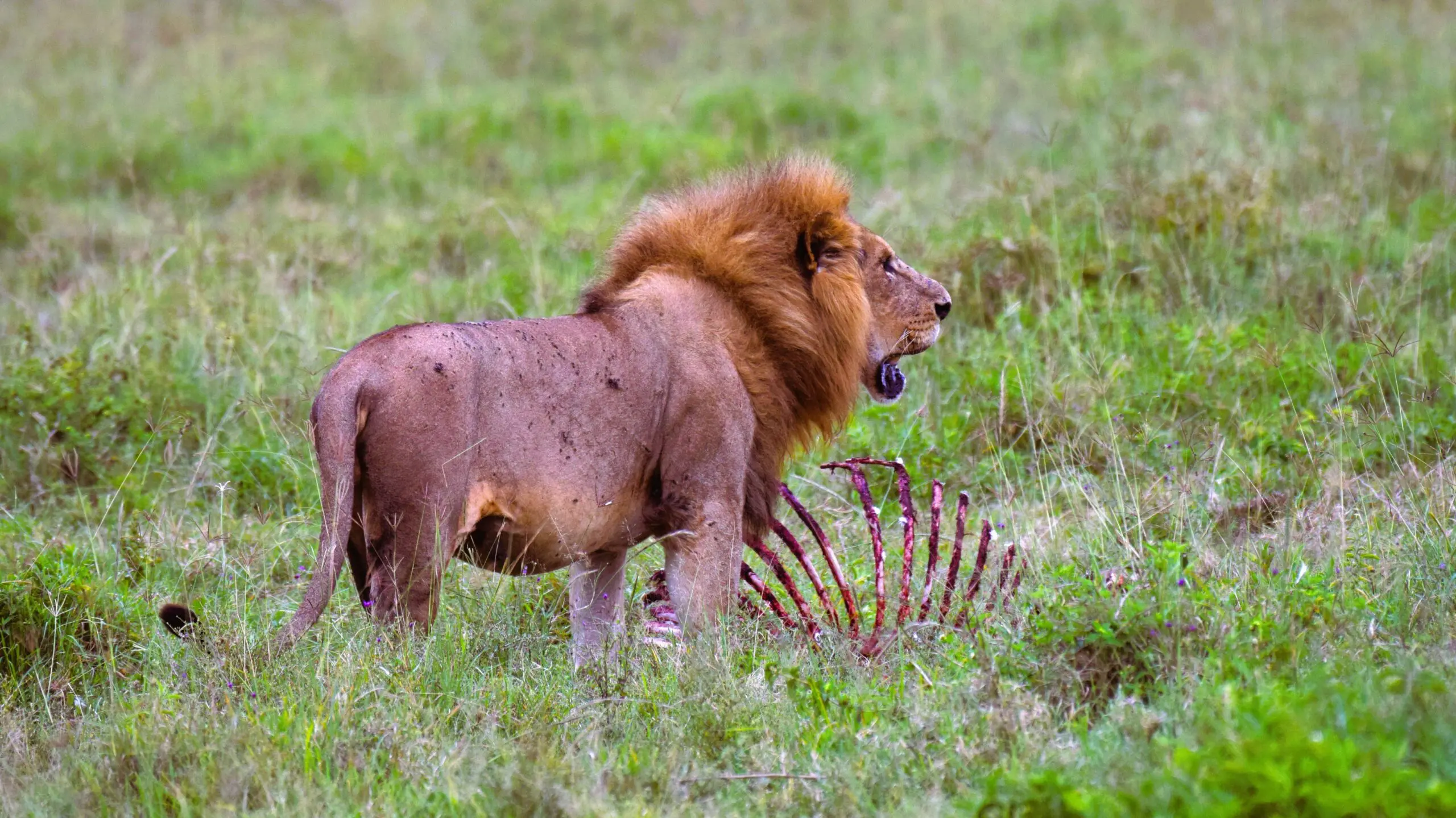
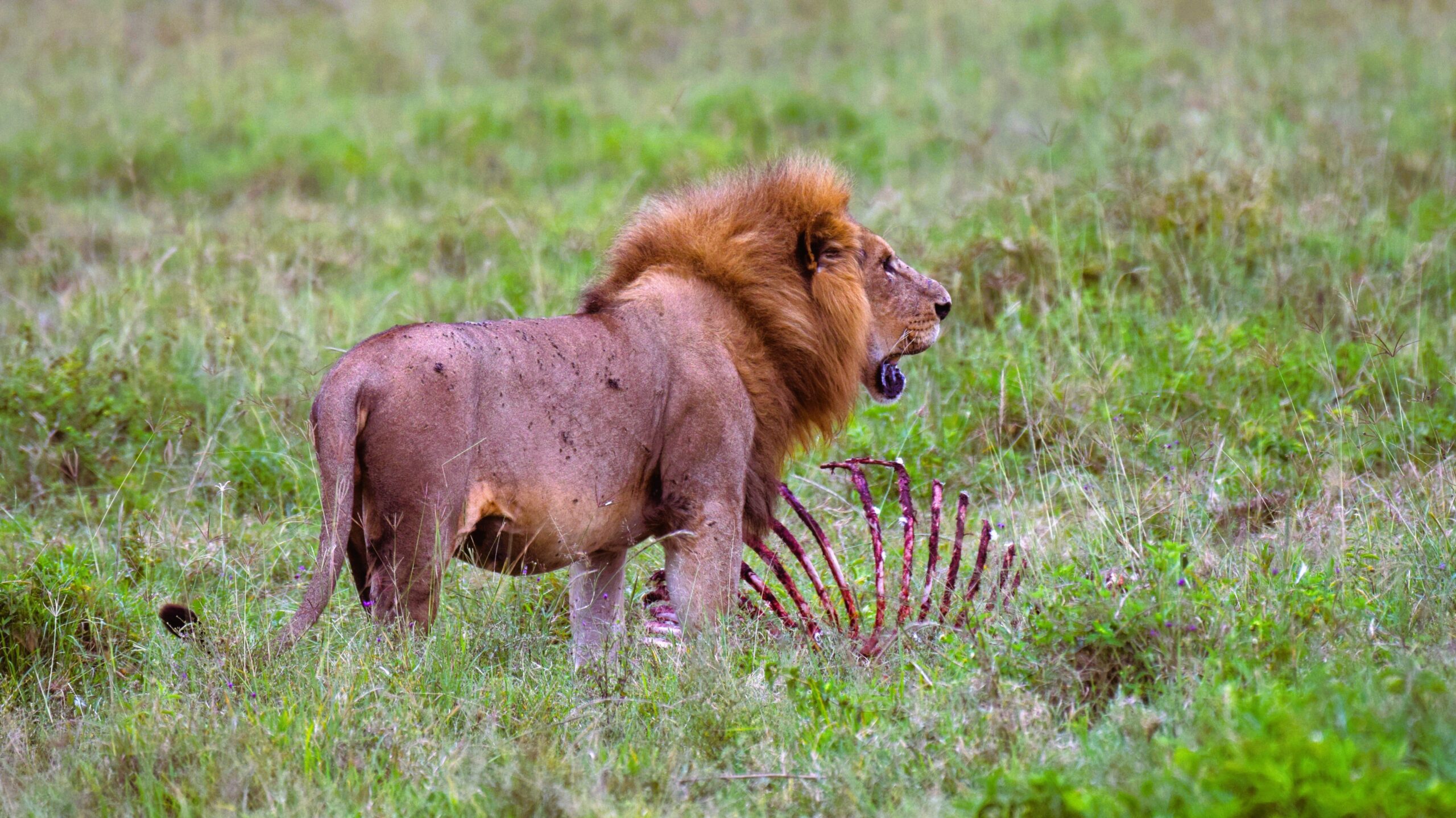
If this was just our first game drive, what else could we get out of this week-long safari? We went back to our games, ate dinner, and retired to bed.
The second day at Lake Nakuru includes a morning safari at 7:00 and an afternoon excursion at 16:00. In the morning, we headed to Pelican Point and looked at the many pelicans, herons, herons, flamingos and other birds.
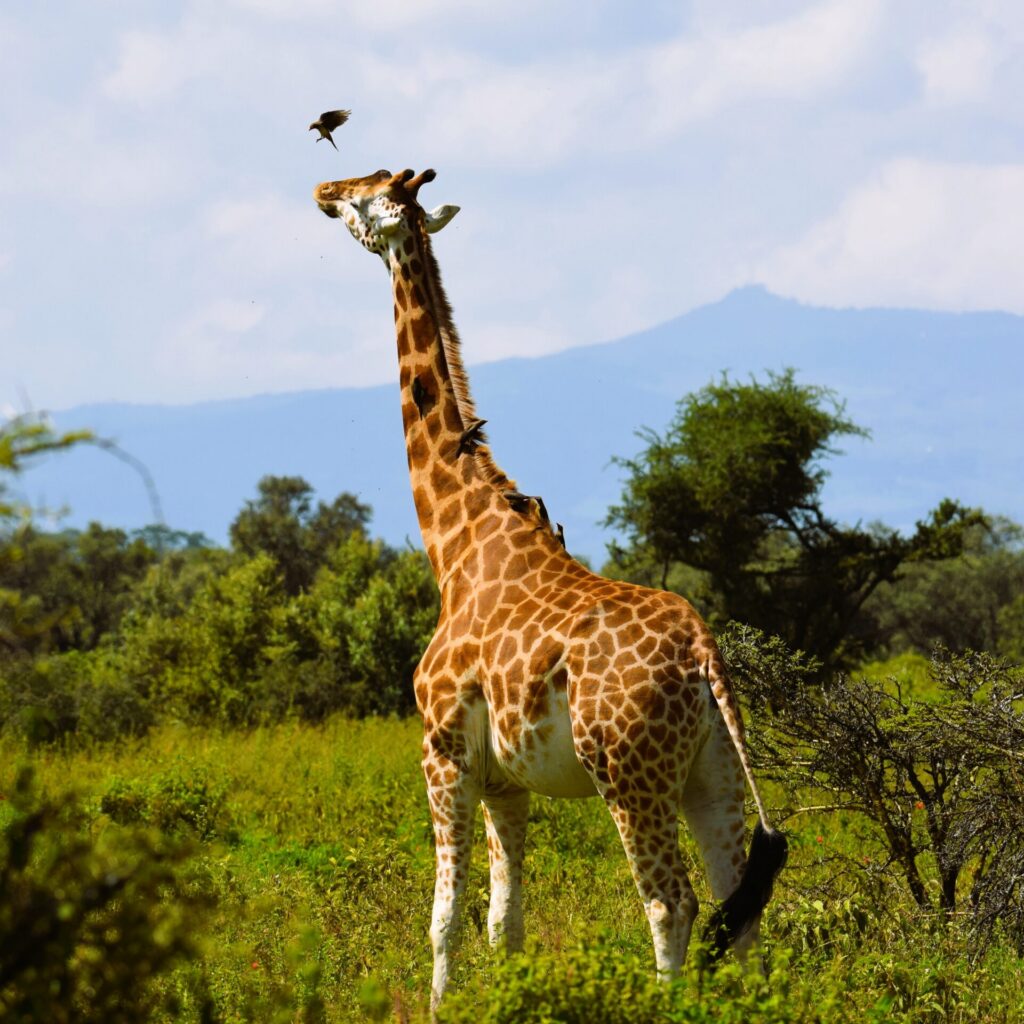
You never know what you will encounter on your journey. While the morning focused on birds, we also encountered the endangered Rothschild’s giraffe family.
In the afternoon, our guide drove us to Makalia Falls, and on the way back from the falls, we got the best views of black and white rhinos.
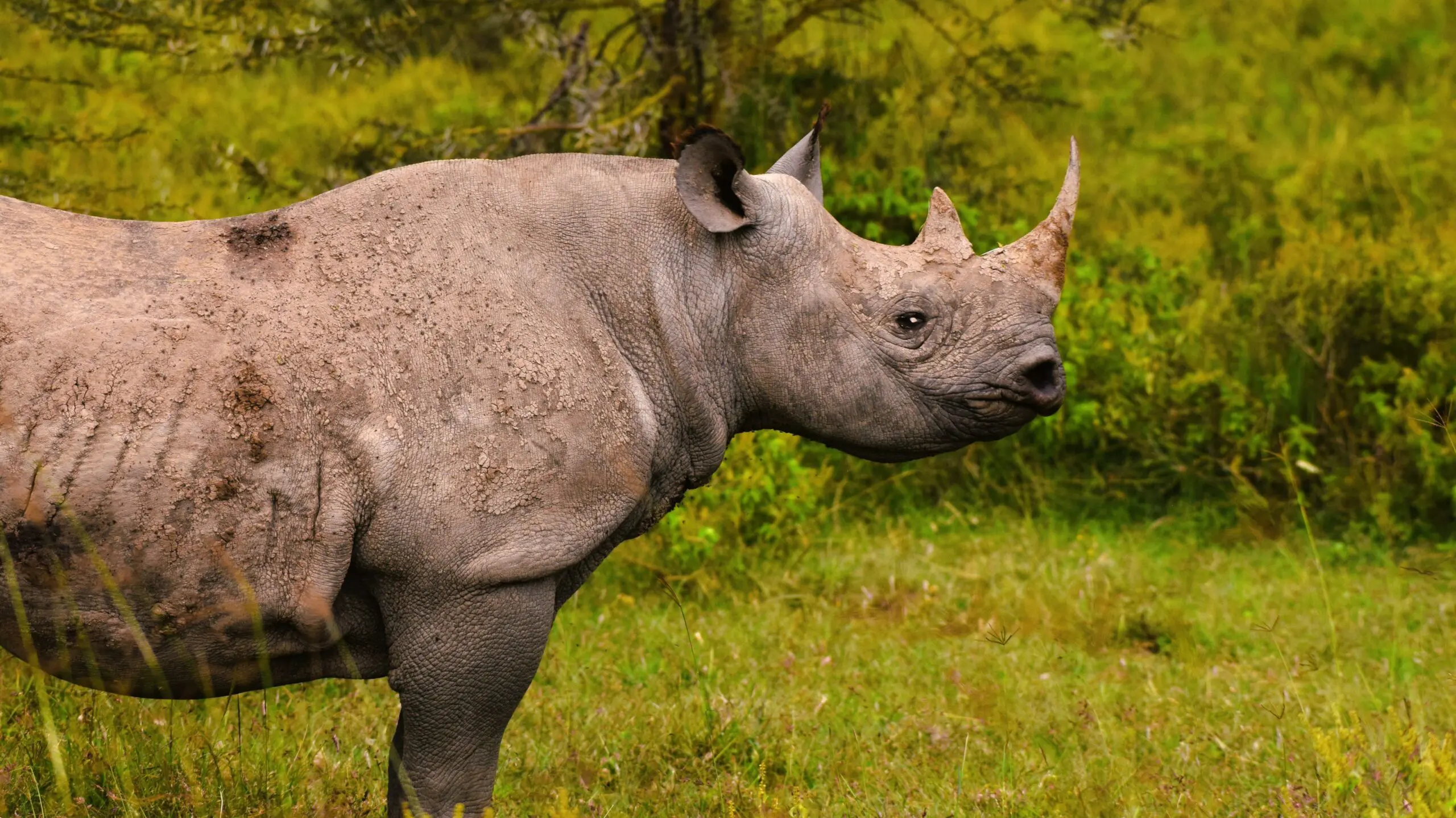
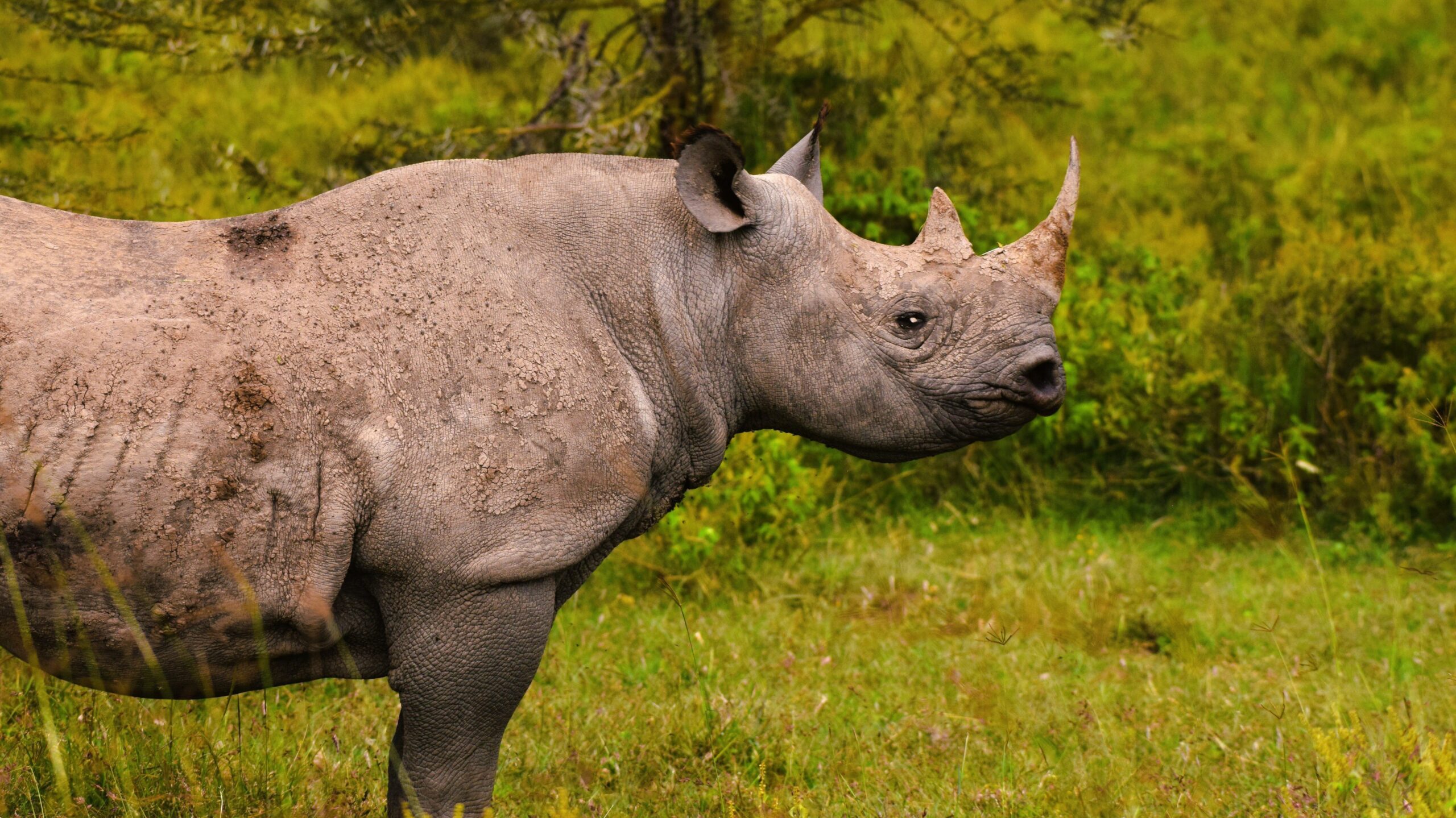
It’s clear from the start that National Geographic Journeys with G Adventures is about education and learning. While other safari vehicles stopped to take photos, then drove away, we lingered, taking time to observe the wildlife and learn from our guide.
Lake Naivasha
After Lake Nakuru National Park, our next safari lodge was at Lake Naivasha. Our itinerary was changed somewhat due to nationwide protests against fuel prices, so instead of taking a boat ride on the lake, we took a nature walk to the top of a cliff with sweeping views of the area.
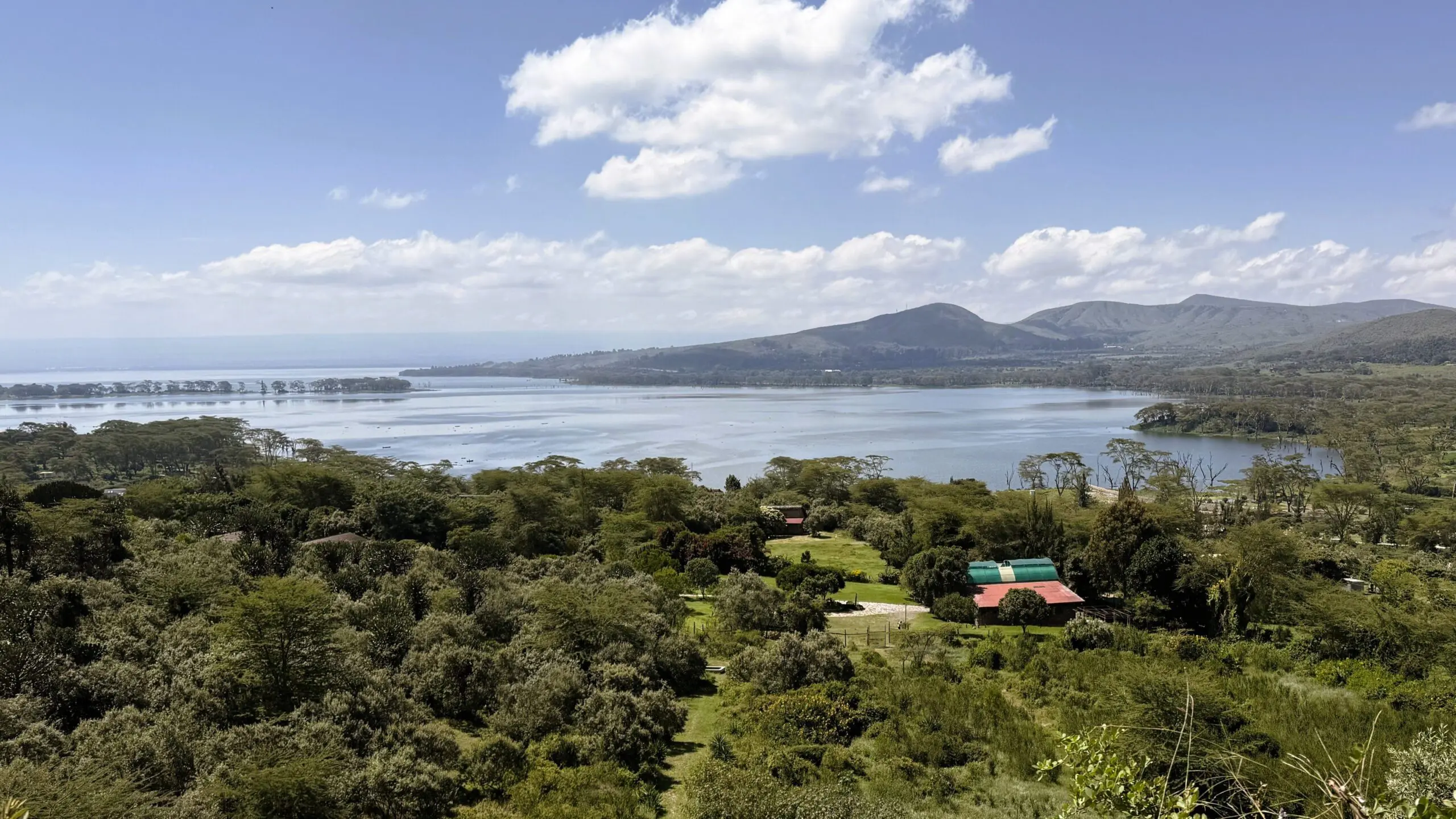
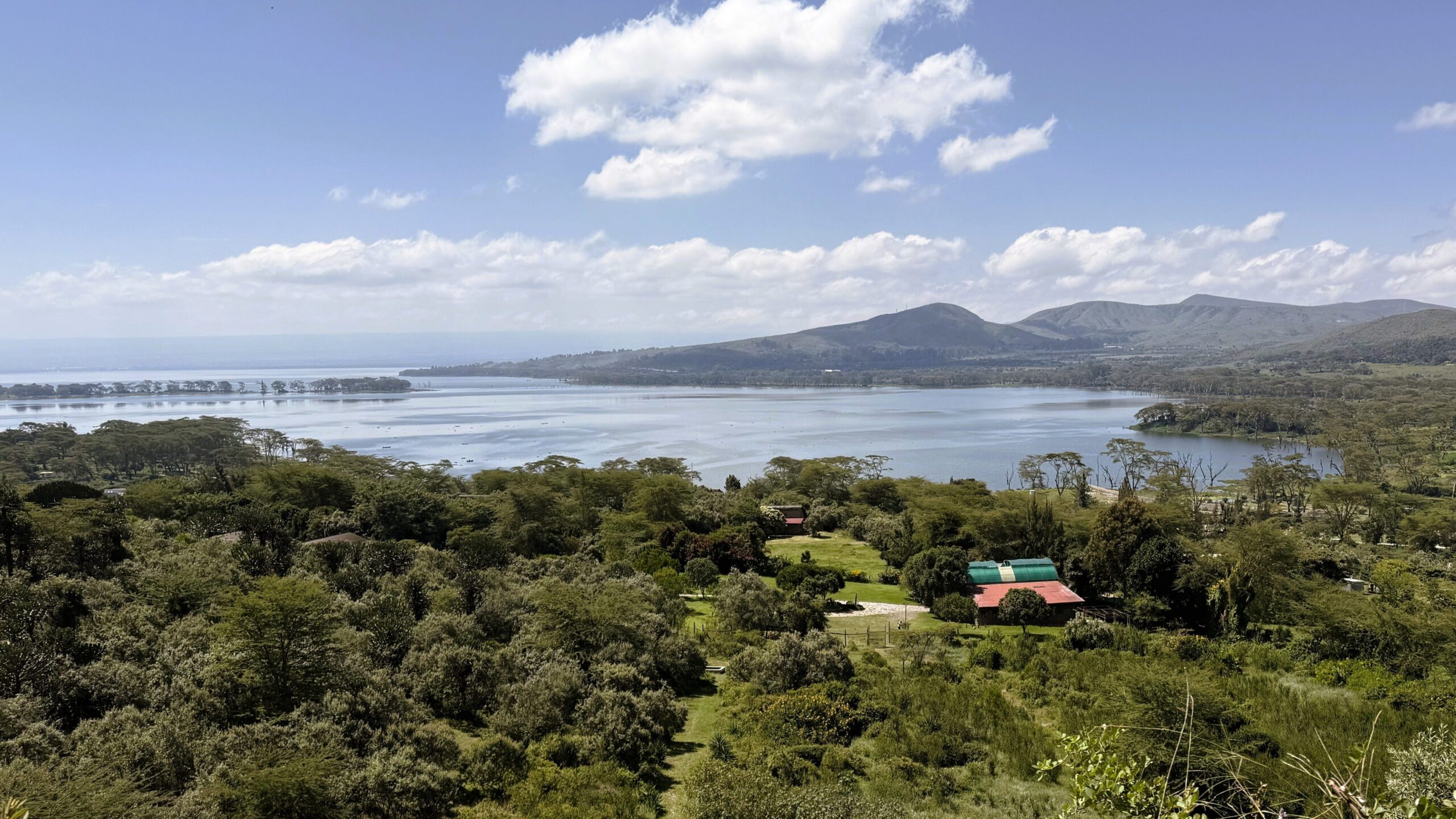
After a delicious lunch, we walked down to the lake to catch a glimpse of a hippo playing peek-a-boo among the floating leaves.
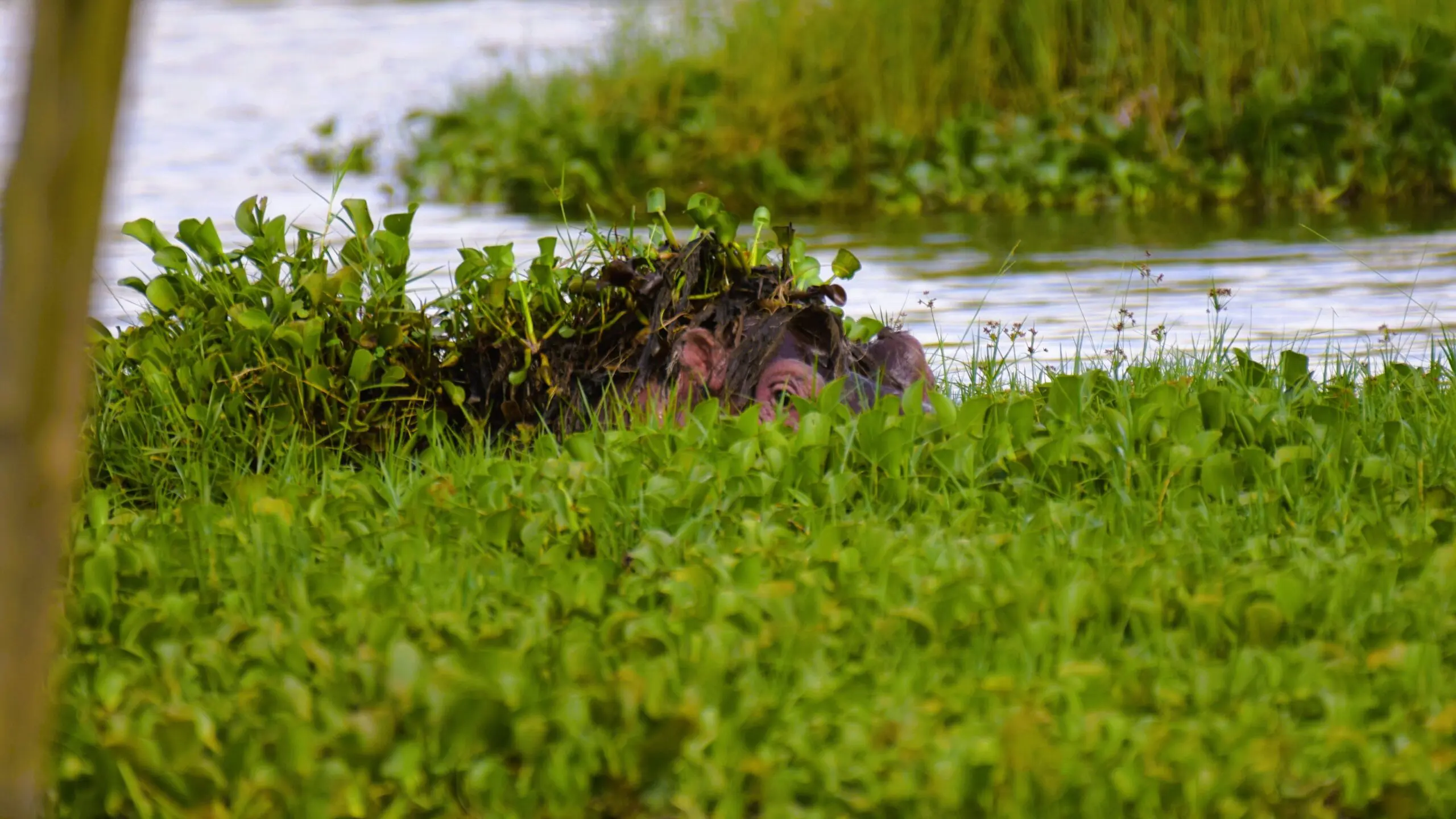
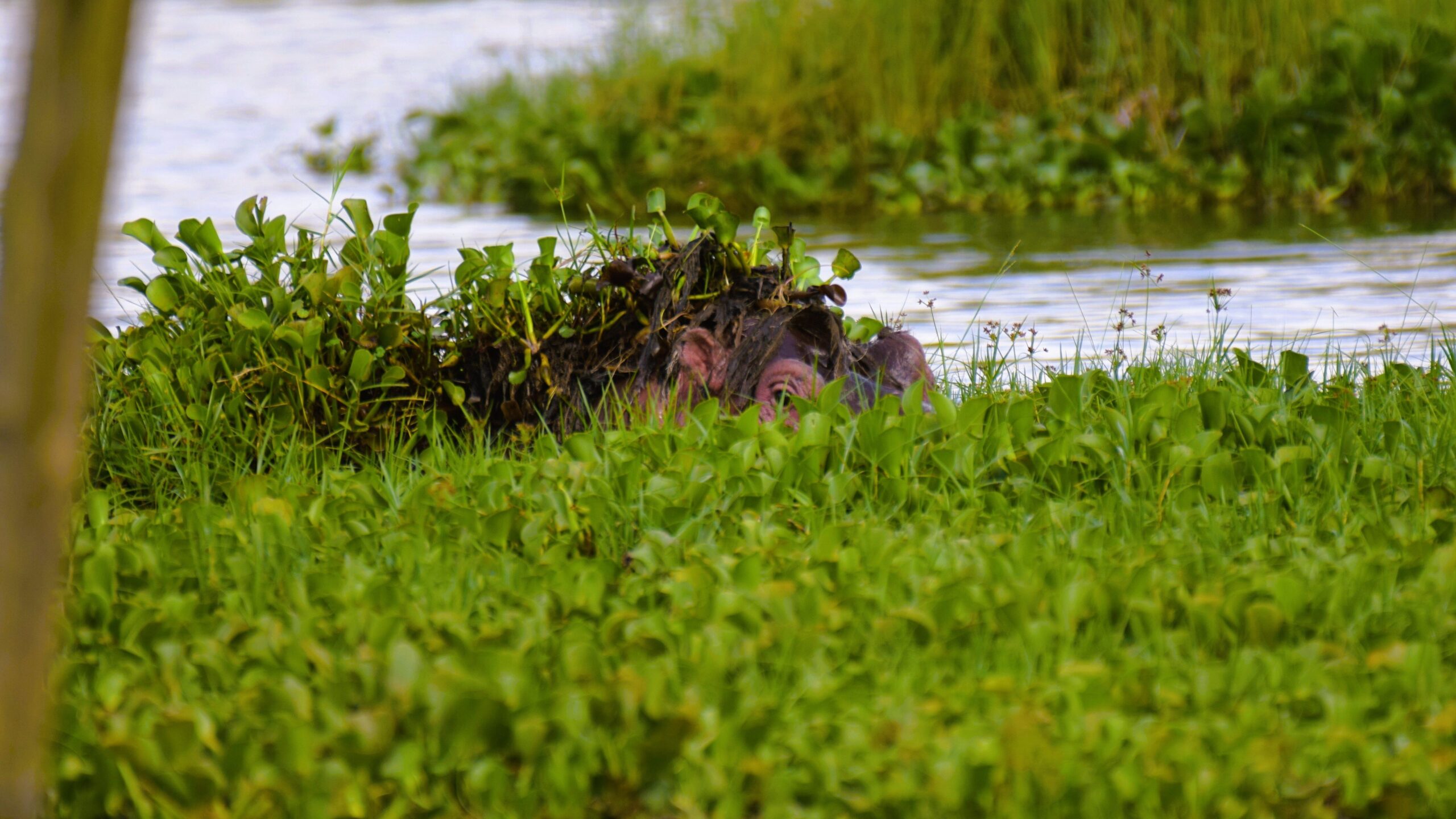
In line with National Geographic’s mission to educate and protect the world, a ranger from the Kenya Wildlife Service met with our group before dinner. Ranger Robert Kisara gave a talk on how poaching continues to impact wildlife populations today.
This stop at Lake Naivasha was a more relaxed day that gave our group time to rest and recover from the journey and the initial pace of the safari.
Masai Mara National Reserve
From Lake Naivasha we drove almost six hours to the Masai Mara, and this was the destination on the itinerary that I was most excited about. A lifetime of reading Nat Geo magazines and watching countless TV specials about the Great Migration made me excited to visit this wildlife mecca. It didn’t disappoint. As soon as we passed through the gate, we were greeted by a herd of wildebeest and elephants.
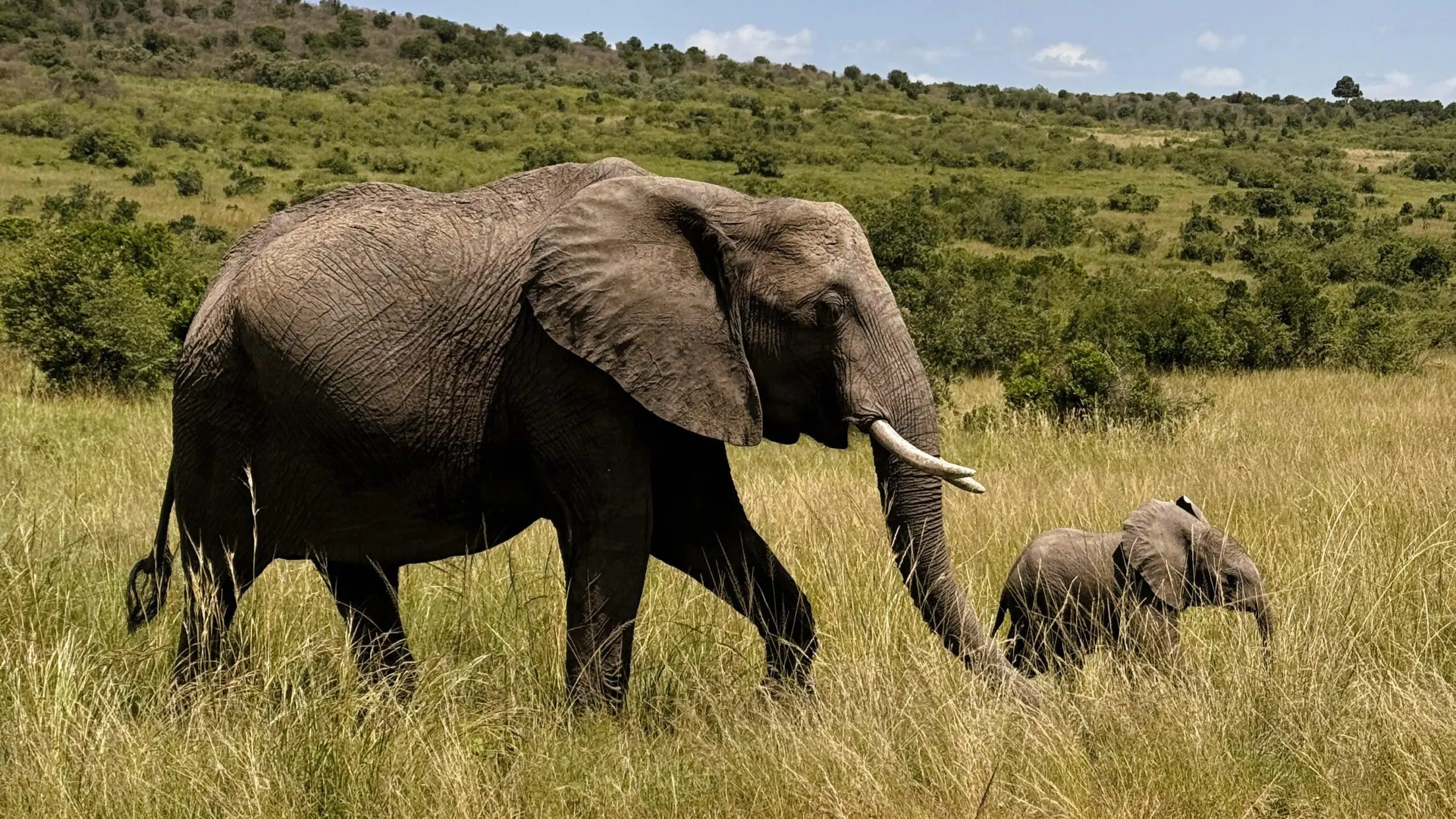
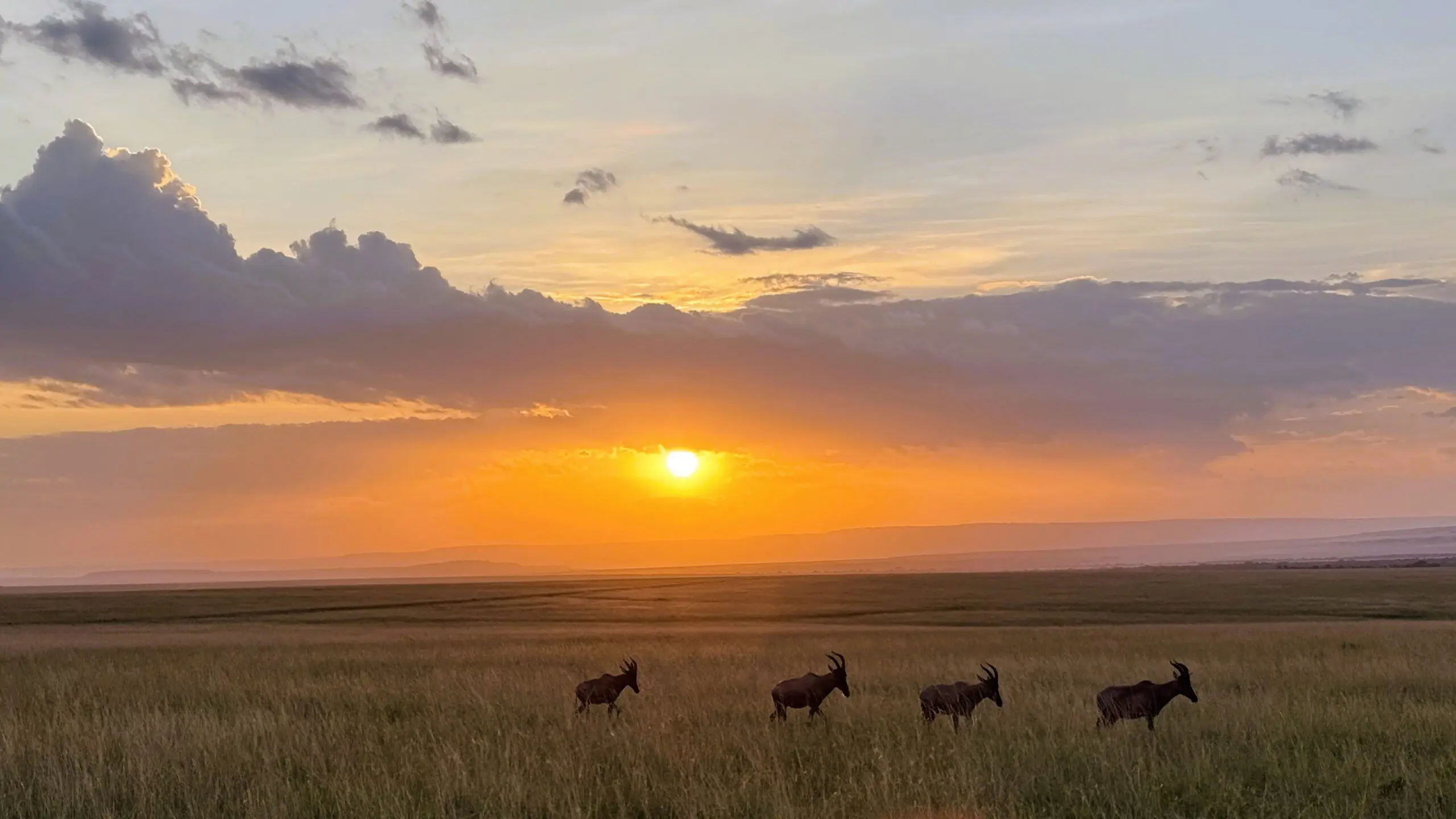
Fig Tree Campground was our base for the next two nights, perched on the river bank. We had a total of three safari drives in the Masai Mara, and each one was noteworthy. The dramatic sky, sunset, more elephants, hippos, hyenas, cheetahs and 11 lions left me in awe.
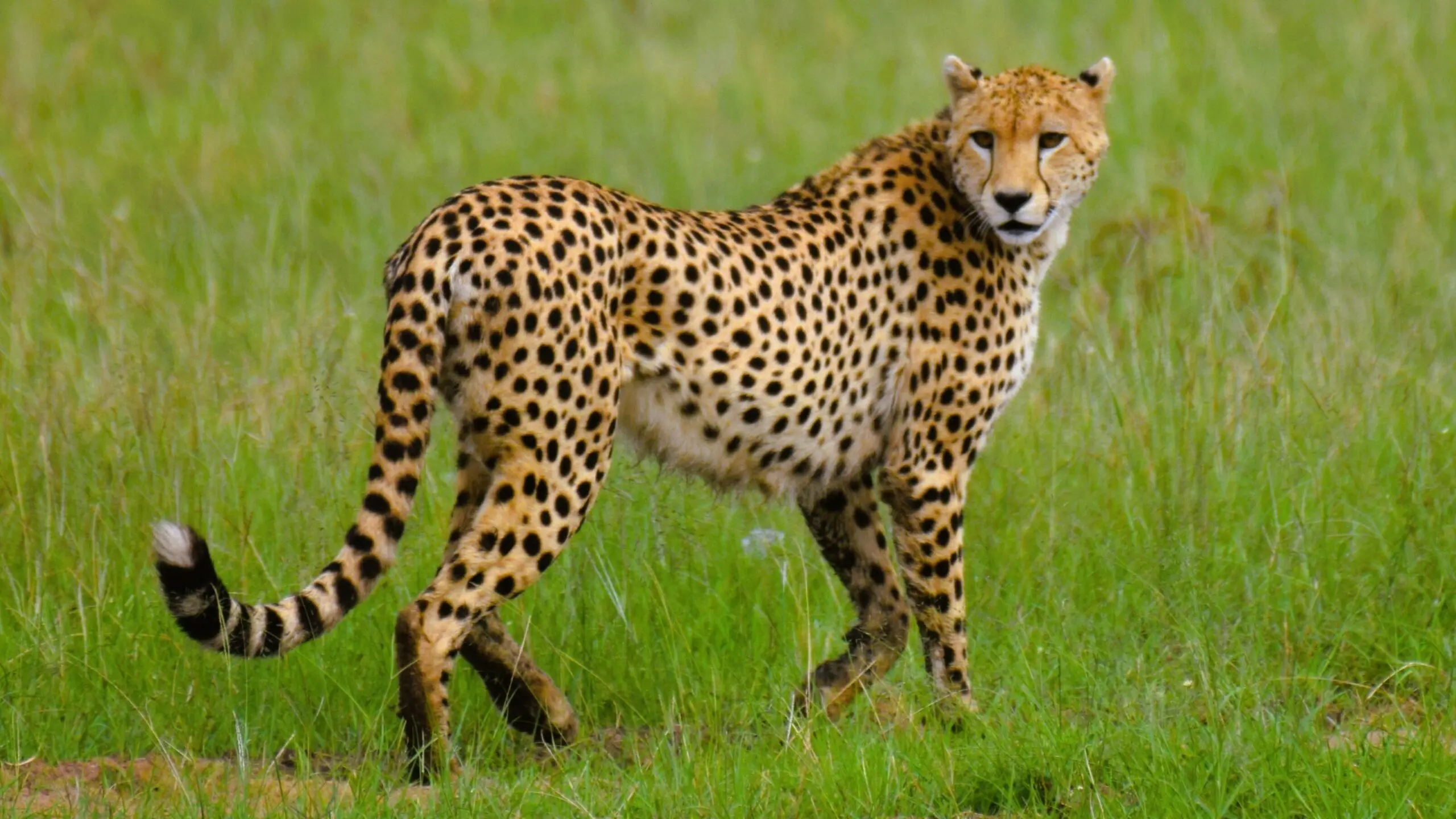
A feeling of calm came over me as I looked out over the savanna, and I could watch the scene play out forever. We extended each trip as long as we could, and I could still spend more time observing. Unfortunately, after five full days our safari trip was over.
Ubuntu Cafe
As we headed back to Nairobi, we stopped one last time on the trip at Café Ubuntu, a place for lunch and a chance to buy souvenirs, but one with deep roots in the community and a strong social mission. It is also a health center that treats children with special needs such as autism, epilepsy and other forms of neurodiversity.
The center not only provides therapy for children, but also offers full-time employment for parents. What started as nine women learning how to sew by machine has grown to 200 employees making products to sell to visitors from all over the world.
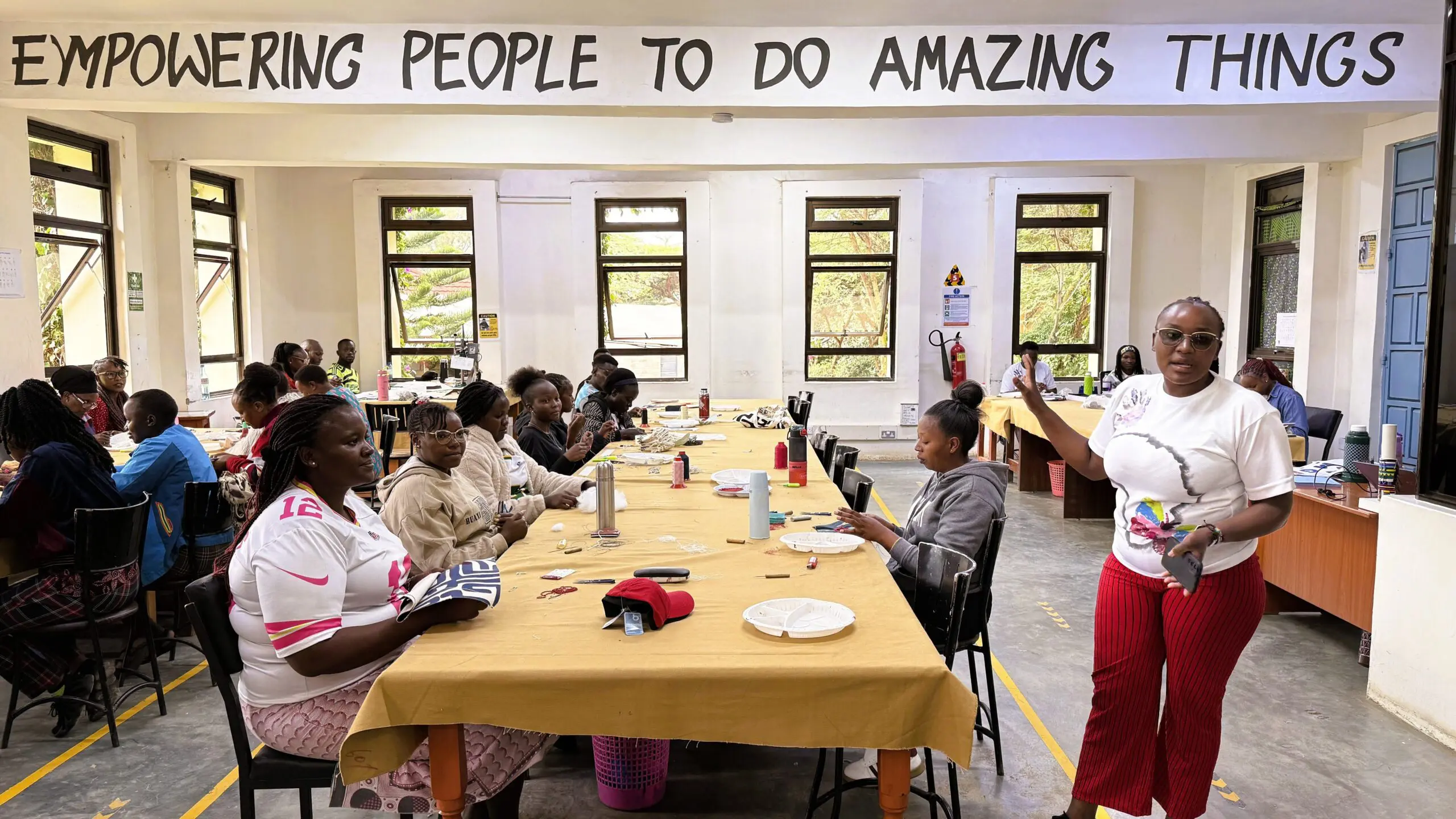
The cafe and its businesses support health centers and support children and communities, embracing “Ubuntu,” the African philosophy of “I am because we are.” We are interconnected and depend on each other to reach our full potential, and it is our duty as a society to help others reach theirs. A fitting way to end our week in Kenya.
Is the safari suitable for families?
Of course, keep in mind some caveats. Kenya Safari is best suited for children above the age of 12 years. Kids (and adults for that matter) have to juggle long flights to Kenya as well as waking up early for early morning safari drives, often before dawn. Everyone should be prepared to spend many hours in a safari vehicle as game drives typically take three hours (or more), and can take up to six hours between destinations.
Lastly, this is not a cheap trip, and current prices are around $6,700/person for summer 2027. The price includes almost everything (accommodations, meals, transportation, and park entry fees) except flights and tip.
My takeaway from the National Geographic Journeys safari with G Adventures Kenya
The word transformational gets thrown around a lot, but the National Geographic Journeys safari with G Adventures Kenya lives up to it. Yes, the appearance of the animal is truly extraordinary. During every game drive, every day, there was something unexpected and astonishing that will stick with me forever.
What I didn’t expect were the relationships I made with people along the way. Our guides, drivers and fellow guests develop close bonds because of this shared experience. In addition to wildlife sightings that exceeded my childhood dreams, I came with a group of friends I have long cherished.
More from FamilyVacationist:
PakarPBN
A Private Blog Network (PBN) is a collection of websites that are controlled by a single individual or organization and used primarily to build backlinks to a “money site” in order to influence its ranking in search engines such as Google. The core idea behind a PBN is based on the importance of backlinks in Google’s ranking algorithm. Since Google views backlinks as signals of authority and trust, some website owners attempt to artificially create these signals through a controlled network of sites.
In a typical PBN setup, the owner acquires expired or aged domains that already have existing authority, backlinks, and history. These domains are rebuilt with new content and hosted separately, often using different IP addresses, hosting providers, themes, and ownership details to make them appear unrelated. Within the content published on these sites, links are strategically placed that point to the main website the owner wants to rank higher. By doing this, the owner attempts to pass link equity (also known as “link juice”) from the PBN sites to the target website.
The purpose of a PBN is to give the impression that the target website is naturally earning links from multiple independent sources. If done effectively, this can temporarily improve keyword rankings, increase organic visibility, and drive more traffic from search results.